
Key Takeaways
-
Select durable materials designed for exterior use.
-
Ensure the slope and water drainage are correct to prevent pooling and leaks.
-
Conduct regular inspections to catch minor issues before they escalate into major repairs.
-
Proper ventilation and sealed seams extend the longevity of your system.
-
When in doubt, consult or hire a professional to guarantee code compliance and optimal results.
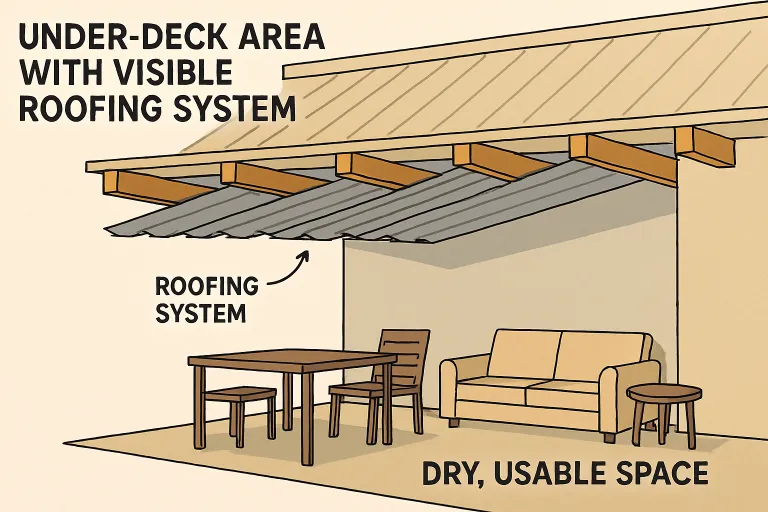
Transforming the area beneath your deck into a versatile and protected space starts with proper planning and the right installation techniques. With the right steps and attention to detail, an under deck roofing system can provide a dry, enjoyable space for entertaining, storage, or relaxing. For homeowners seeking solutions, exploring under deck roofing systems Greenville, SC is a smart first step. By investing in a quality system, you are protecting the area below from water damage and enhancing the usefulness and value of your home.
Whether you choose to tackle installation yourself or hire professionals, understanding the fundamental steps and best practices can make the process smoother and more successful. A properly installed system extends the life of both your deck and the additional living space below, making it an investment worth approaching carefully and methodically.
Choose the Right Materials
Material selection lays the foundation for a long-lasting under-deck roofing system. Common options include vinyl, aluminum, galvanized steel, and composite panels, each offering benefits in durability, weather resistance, and maintenance needs. Composite panels have gained popularity for their low-maintenance qualities and modern look. Consider the climate and weather conditions in your area when choosing materials.
In addition, it is wise to research warranties and manufacturer support for the materials you choose. Higher quality systems often come with extended guarantees that can provide peace of mind for years to come. Make sure to also select colors and finishes that complement your existing deck and home, as they can significantly impact your property’s overall appearance and curb appeal.
Ensure Proper Slope and Drainage
Correctly sloping your under-deck system is vital to direct water toward gutters and away from the foundation. Installers recommend a minimum slope of one-quarter inch per foot to guide rainwater to downspouts and prevent pooling that can cause leaks, wood rot, and structural issues. Integrating a reliable gutter and downspout system helps ensure water does not accumulate beneath your deck or back up into the ceiling panels. Poor drainage is among the most common culprits of system failures, so take the time to check slope and water path before securing materials in place.
If your deck is attached to a home, be especially mindful of how water might interact with your home’s foundation. Directing water away from structural elements can prevent a host of future issues, including soil erosion, basement leaks, or even foundation settling over time. Gutters with leaf guards are often recommended to minimize maintenance and keep water flowing freely.
Install a Waterproof Membrane
A dedicated waterproof membrane creates a crucial barrier between the deck boards and the under-deck system. Membranes made from EPDM rubber or a similar high-durability material are especially effective in regions with heavy rainfall. This barrier protects the underside of the deck and the space below from moisture, reducing the risk of wood decay and mold. Secure membranes according to the manufacturer’s guidelines, paying particular attention to corners and overlaps where leaks are more likely to occur.
Maintain Adequate Ventilation
Proper ventilation below your deck helps control moisture, which in turn prevents mold growth and wood rot. Ensure at least 18 inches of space between the bottom of the deck and the ground to facilitate air movement. Adding vent covers or screens can further improve airflow while keeping insects and debris out. Adequate ventilation not only reduces maintenance but can extend the lifespan of both your deck boards and the ceiling system below.
Consider, too, the direction and strength of the prevailing winds on your property, as they can influence ventilation effectiveness. In areas with more restricted airflow, strategically placing additional vents can make a meaningful difference. Proper ventilation is often overlooked but makes a significant impact on year-round system performance.
Secure Fasteners and Seams
Quality fasteners are essential at every phase of the installation, as they prevent panels and flashing from shifting over time. Use screws and hardware rated for outdoor use, and remember that stainless steel options resist rust in humid climates. Overlap all panel seams properly and use outdoor sealants compatible with your chosen materials. Special care at the seams and around openings (such as downspouts) creates a tight, continuous barrier that prevents water intrusion.
Double-checking all fasteners during installation helps ensure structural stability, especially in areas subject to strong winds or heavy rain. Spending a little extra time on this step can prevent future headaches and repair costs by ensuring the entire system functions as intended, season after season.
Regular Maintenance
Routine inspection and maintenance are essential to maintaining the performance of your under-deck system. Clear debris from gutters and check panels for signs of warping, leaks, or loosening. Reapplying sealant to joints and seams can protect against gradual water intrusion. Promptly addressing any damage prevents small issues from escalating into extensive repairs or replacements.
Periodically, schedule a thorough cleaning of both the deck boards above and the ceiling panels below. This can not only improve the look of your outdoor living space but also reveal early warning signs of wear and tear. For homes in wooded areas, be especially diligent in keeping leaves and branches from accumulating on or around your system.
Consult Professionals
While a DIY installation of an under-deck roofing system is possible, hiring an experienced contractor minimizes the risk of errors and ensures compliance with local building codes. A professional brings insight into material selection, custom design solutions, and efficient water management, ultimately saving time and potentially costly mistakes. Before starting, consult a local expert who understands the region’s climate and requirements for deck and home add-ons.
Conclusion
Following these best practices ensures your under-deck roofing system delivers lasting protection and usability for the space below. With careful preparation, the right materials, and ongoing maintenance, you can enjoy a dry, attractive, and functional outdoor area for years to come.