
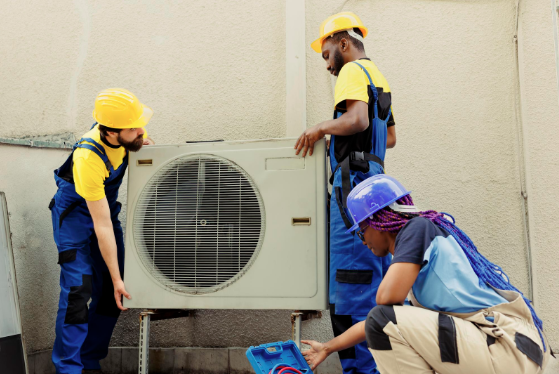
As the mercury rises and the summer heat becomes increasingly unbearable, the importance of a well-functioning air conditioning system cannot be overstated. Whether you’re building a new home or upgrading an existing one, the process of air conditioner installation can be daunting. In this comprehensive guide, we’ll explore the key considerations and best practices to ensure your home stays cool and comfortable all season long.
Understanding Air Conditioning Systems
At the heart of any effective air conditioning setup is the air conditioner itself. These complex machines come in a variety of sizes, types, and efficiency ratings, each tailored to the unique needs of a particular space. When it comes to air conditioner installation, it’s crucial to select the right unit for your home’s square footage, layout, and energy requirements.
Factors to Consider During Air Conditioner Installation
Proper air conditioner installation is essential for the system’s long-term performance and energy efficiency. When planning your air conditioning installation, there are several key factors to keep in mind:
1. Sizing: Selecting the right capacity for your air conditioning unit is critical. An oversized system will short-cycle, wasting energy and failing to adequately dehumidify the air, while an undersized unit will struggle to maintain a comfortable temperature. Consulting with a professional HVAC contractor is recommended to ensure accurate sizing based on your home’s square footage, insulation, and other variables.
2. Ductwork: For central air systems, the ductwork plays a crucial role in distributing cool air throughout your home. During the installation process, it’s essential to inspect and, if necessary, upgrade the ductwork to ensure proper airflow and minimize energy loss.
3. Electrical Requirements: Air conditioners require a dedicated electrical circuit to operate safely and efficiently. Your installation team will need to ensure that the electrical supply can handle the load of your new air conditioning system, which may involve upgrading your home’s electrical panel or installing additional circuits.
4. Placement: The location of your air conditioning unit, both indoor and outdoor, can significantly impact its performance. Outdoor compressors should be placed in a shaded, well-ventilated area, while indoor units should be strategically positioned to optimize airflow and minimize interference with furniture or other obstacles.
Maintaining Your Air Conditioning System
Once your air conditioner is installed, proper maintenance is key to ensuring its longevity and efficiency. Regular tune-ups and checkups by a qualified HVAC technician can help identify and address any issues before they become major problems.
Homeowners can also take an active role in maintaining their air conditioning system. This includes regularly cleaning or replacing air filters, keeping the outdoor unit free of debris, and monitoring the system for any unusual noises or performance changes. By staying proactive, you can extend the lifespan of your air conditioner and keep your home comfortable year-round.
When faced with air conditioning issues, it’s best to consult a professional HVAC technician. They can accurately diagnose the problem, recommend the appropriate repairs, and ensure the system is restored to full functionality. Attempting DIY air conditioning repairs can be dangerous and may even void the manufacturer’s warranty, so it’s generally advisable to leave these tasks to the experts.
Conclusion
Beating the heat with a reliable air conditioning system is essential for maintaining comfort and well-being in your home. By understanding the key considerations during air conditioner installation, prioritizing regular maintenance, and addressing repair needs promptly, you can ensure your cooling system operates at peak efficiency for years to come. Stay cool and comfortable all summer long with this comprehensive guide to air conditioning installation and repair.