
Key Takeaways
-
Restoring classic roadsters is a blend of preserving automotive history and personal fulfillment.
-
Modern improvements can make vintage vehicles safer and more enjoyable without losing their character.
-
Community involvement greatly enhances the ownership and restoration experience.
Table of Contents
-
Choosing the Right Roadster
-
Planning Your Restoration
-
Incorporating Modern Upgrades
-
Navigating Restoration Challenges
-
Enjoying Your Restored Roadster
-
Connecting with the Classic Car Community
-
Maintaining Your Classic Roadster
-
Conclusion
Classic roadsters represent more than just iconic automotive design. They are rolling tributes to an era of craftsmanship and innovation. For generations, these cars have captivated enthusiasts with their unique blend of open-air freedom and mechanical character. Today, restoring and driving classic roadsters has become a cherished passion, blending the joys of preservation with the thrill of the open road. Those seeking to begin or continue their journey might be interested in exploring options like this 54 Corvette for sale Burlington WA, which highlights the continued appeal and availability of vintage roadsters. Restoration is not just about returning a vehicle to its past glory; it provides a deeply satisfying experience for owners who wish to relive motoring history while adding personal touches to their cherished machines. Modern enthusiasts are increasingly looking to blend the legacy of these classic vehicles with the reliability and safety of contemporary driving, making the restoration process a blend of both art and science. Understanding the fundamentals of the restoration process and staying aware of modern upgrades can bring new life to a classic roadster. Choosing the right project, planning thoroughly, and joining a supportive community all contribute to a successful and enjoyable journey. Whether you are drawn by nostalgia or the challenge of bringing a forgotten car back to life, the world of classic roadster restoration offers endless rewards. As today’s roads and traffic environments present new challenges, many owners are augmenting their classics with updated technology, ensuring these relics remain viable and enjoyable for years to come. The process also provides lasting opportunities for hobbyists to learn new skills and forge connections with fellow car lovers across the globe.
Choosing the Right Roadster
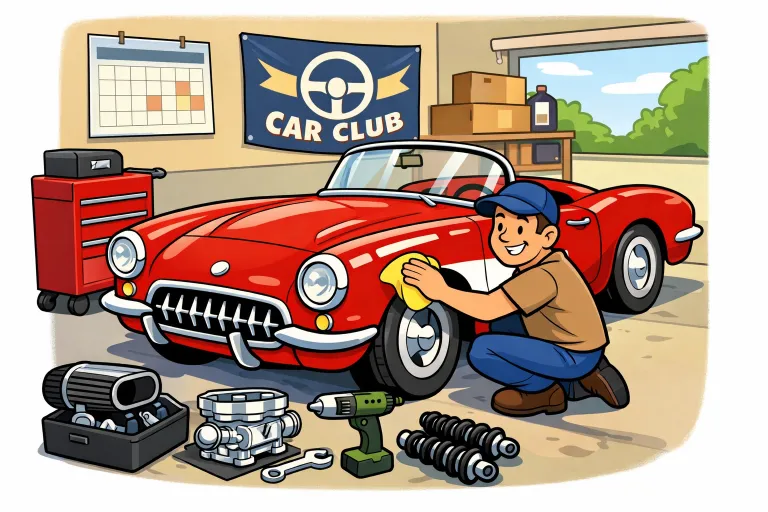
The starting point of any restoration project is selecting the right vehicle. With classic roadsters, considerations like availability of original or reproduction parts, historical legacy, and personal affinity to a particular make or model should take center stage. Models such as early Chevrolet Corvettes, British MGs, or German Mercedes-Benz SLs are popular choices, each offering unique challenges and rewards. Thorough research into model-specific quirks and restoration demands can save you time and expense later on. Consulting automotive databases and classic car registries often helps to narrow your search quickly.
Planning Your Restoration
A precisely planned restoration sets the stage for a smooth and enjoyable project. Begin with a detailed assessment of the car’s condition and document the parts that require attention or replacement. Establish a well-defined budget and realistic timetable, keeping a margin for unexpected discoveries that may surface during disassembly. Deciding on the level of involvement—full DIY, hiring professionals, or a combination—shapes the project’s scope. This phase also involves sourcing trustworthy vendors and identifying restoration shops reputable for their specializations. Proper planning minimizes setbacks and helps keep the project on course.
Incorporating Modern Upgrades
To make classic roadsters more compatible with today’s driving standards, many restorers choose to upgrade key components such as brakes, tires, lighting, and ignition systems. This approach keeps the classic aesthetic intact while providing peace of mind regarding reliability and safety. Modern electronics, improved suspensions, and fuel-efficient engine modifications are just some of the enhancements that blend seamlessly into vintage designs. The trend of restomodding, which involves updating classic cars with modern systems, has surged in popularity, as highlighted by recent reports. Balancing authenticity with comfort and functionality allows enthusiasts to drive their classics more frequently and confidently.
Navigating Restoration Challenges
Troubleshooting restoration challenges becomes part of the adventure. The scarcity of certain parts for older models, coupled with issues like extensive rust or previous poor repairs, can slow progress. Establishing connections with specialty suppliers and vintage car salvage networks often uncovers elusive parts. Another major hurdle is the declining number of skilled mechanics experienced in classic vehicles, contributing to longer waiting periods and higher costs for professional assistance. The restoration industry faces significant workforce shortages, making networking and patience essential for achieving quality results.
Enjoying Your Restored Roadster
Once your vehicle is back on the road, the true reward comes from experiencing it firsthand. Weekend cruises, classic car shows, and scenic rallies offer perfect opportunities to showcase your handiwork. Many owners also find joy in spontaneous drives along country roads or participating in charity events and parades. These personal outings not only make lasting memories but also foster a greater appreciation for the heritage embodied in each roadster.
Connecting with the Classic Car Community
Joining clubs and online communities dedicated to classic cars provides invaluable support, expert advice, and lasting friendships. Whether in-person at local meets or through online forums, sharing stories and troubleshooting tips can greatly inspire and assist others on the restoration path. Community events frequently offer tech sessions, parts swaps, and driving tours, further enhancing your experience as a classic car enthusiast.
Maintaining Your Classic Roadster
Ongoing care is the key to ensuring your classic roadster remains in perfect shape. Regularly check and maintain essential fluid levels, conduct routine inspections for wear and tear, and address minor issues before they escalate. Additionally, consider climate-controlled storage or quality covers to protect your vehicle during off-seasons. Adhering to a thoughtful maintenance schedule will safeguard your investment and ensure you can relish every drive for years to come.
Conclusion
Restoring and driving a classic roadster is a source of immense pride and joy, bridging eras and preserving a unique motoring spirit. When combined with practical upgrades and ongoing care, these vehicles can thrive on modern roads while retaining their vintage allure. Through a combination of thoughtful planning, community involvement, and an enduring passion for classic cars, anyone can experience the profound satisfaction of reviving and enjoying a piece of automotive history.