

Key Takeaways
- Combining various materials in display stands enhances aesthetics and functionality.
- Compact fixtures are essential for optimizing space in urban store layouts.
- Flexible endcap displays allow for dynamic, campaign-driven merchandising.
- Purpose-built fixtures cater to specific product categories, improving safety and visibility.
- Minimalist and transparent designs focus attention on the products themselves.
- Customization of display stands is now a standard expectation among retailers.
Table of Contents
- Mixed Material Structures
- Compact Footprint Fixtures
- Campaign-Driven Endcap Displays
- Purpose-Built Fixtures
- Transparent and Minimalist Designs
- Customization as a Standard
In the dynamic world of retail, effective food display and merchandising are essential for attracting customers and increasing sales. With consumer expectations evolving, retailers are exploring new strategies that blend visual appeal, functionality, and adaptability. Working with the right food service display solution is crucial in creating engaging in-store experiences that encourage shoppers to linger and make purchases.
The visual presentation of products plays a major role in capturing shoppers’ attention and influencing purchasing decisions. Modern display options allow retailers to reimagine how inventory is organized and featured, ensuring that every square foot of the store supports sales while remaining visually enticing.
Today’s display fixtures are not just about holding products. They tell a story, highlight seasonal promotions, and support a store’s overall brand image. Smart retailers leverage materials, modularity, and customization to ensure every display serves a purpose—whether it is maximizing shelf space or spotlighting new items.
Understanding and applying the latest design trends in merchandising can set a retailer apart from competitors and create an inviting atmosphere that drives customer loyalty and ongoing engagement with the brand.
Mixed Material Structures
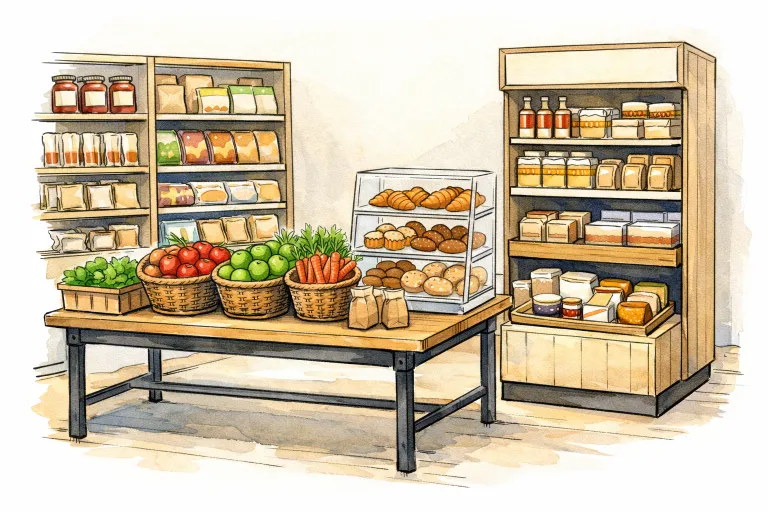
The combination of materials such as metal, acrylic, and wood in display stands has revolutionized the way retailers present their food products. Metal provides strength and durability, while wood and acrylic bring warmth and transparency. This synergy results in stands that are both visually appealing and sturdy enough for busy retail environments.
Mixed-material displays adapt easily to varying store designs and product types, which is particularly important as stores try to create unique brand experiences. According to design experts at Architectural Digest, the right mix of materials can serve both aesthetic and functional needs, elevating the perception of products and making displays more eye-catching.
Compact Footprint Fixtures
With urban retail spaces at a premium, maximizing product display within a limited footprint has become critical. Compact fixtures like slimline freestanding displays and wall-mounted racks are gaining popularity for their ability to increase visibility without making stores feel crowded. These solutions allow retailers to showcase more items, which can lead to increased impulse purchases.
Employing innovative layouts not only saves space but also makes it easier for customers to navigate, providing an improved overall shopping experience. This is especially valuable in densely populated urban areas where every square foot matters.
Campaign-Driven Endcap Displays
The evolution of endcap displays into dynamic, campaign-driven merchandising tools allows stores to rapidly adjust product visibility based on strategic initiatives. Incorporating interchangeable graphics, modular shelving, and adjustable lighting, these displays keep merchandise fresh and relevant for regular customers.
By refreshing endcaps frequently, retailers can highlight special promotions or seasonal items, enticing shoppers with reasons to return and discover new offerings. The flexibility of modern endcap solutions supports a fast-moving retail environment where trends and consumer interests can shift weekly.
Purpose-Built Fixtures
Purpose-built fixtures cater to specific product types, ensuring both safety and optimal presentation. For example, electronics are safer in lockable, tamper-resistant cases, whereas fresh foods benefit from open, breathable displays that keep inventory visible and accessible. Stores can thereby maintain compliance with safety regulations while boosting the appeal of their merchandise.
Investments in specialty fixtures not only protect high-value or perishable items but also create a more organized and satisfying shopping experience. For insight into the growing importance of safety and design in food merchandising, the Architectural Digest highlights how retailers are responding to evolving consumer demands.
Transparent and Minimalist Designs
Minimalist design, often featuring transparent materials like acrylic, ensures the product is the main attraction. This approach caters to shoppers who value clean, uncluttered spaces and clear sightlines across store aisles. Minimalism reduces distractions, fosters a calm atmosphere, and elevates product value by letting the merchandise stand out against understated fixtures.
The minimalist trend is growing, as demonstrated by leading global brands that have successfully linked the appeal of simplicity to perceptions of quality and exclusivity.
Customization as a Standard
Increasingly, retailers see customization as a non-negotiable requirement for their display solutions. Tailored designs that align with branding and accommodate specific product needs allow stores to create unique, memorable retail experiences. Modular fixtures, which can be reconfigured for different products or promotions, are especially valuable for retailers seeking flexibility and value from their investment.
This trend ensures retail spaces remain adaptable as product lines change and consumer preferences evolve, enabling stores to stay relevant and competitive over time.
By adopting these innovative approaches to food display and merchandising, retailers enhance shopper engagement, improve sales, and foster brand loyalty in an ever-changing retail landscape. Keeping pace with design trends and customer preferences is what makes a food display strategy not just functional, but transformative.