
Key Takeaways
-
Laughter is proven to lower stress levels by reducing cortisol in the body.
-
Humor fosters deeper social relationships and increases emotional resilience.
-
Blending humor with mindfulness practices can heighten relaxation and presence.
Discovering ways to support your mental health is crucial, especially in a fast-paced world filled with daily stress. One effective strategy is humor and laughter, simple yet powerful tools for enhancing emotional well-being. In fact, seeking mental health counseling Pittsburgh, PA can introduce you to therapy modalities that emphasize humor and mindfulness for a more resilient mindset.
Laughter, beyond being a source of spontaneous joy, has significant effects on mental and physical health. Scientific studies and therapeutic practices reveal that humor not only eases tension but also builds emotional strength. As more individuals begin to prioritize mental health, exploring the synergy between humor and mindfulness offers promising strategies for self-care and improved quality of life.
The Science Behind Laughter and Stress Reduction
Laughter triggers the release of endorphins, chemicals responsible for feelings of happiness and relaxation. When you laugh, cortisol and other stress hormones decrease, leading to less tension in both mind and body. According to the Mayo Clinic, the physical act of laughing not only promotes oxygen flow, improves circulation, and helps muscles relax but also strengthens the immune response, all of which contribute to a greater sense of well-being. These effects make laughter a reliable ally in combatting stress and improving mental health in everyday life.
Enhancing Social Bonds Through Shared Humor
The act of sharing a laugh can be one of the fastest ways to create a sense of connection with others. Laughter has a contagious quality that brings people together, expanding social networks and fostering empathy. Engaging in humorous interactions also opens channels for more authentic communication, helps build trust, and diffuses awkward or tense situations. Research consistently finds that people are up to 30 times more likely to laugh in a group than when alone, demonstrating humor’s vital role in strengthening social fabric and emotional safety within communities. These moments of collective laughter can serve as important reminders of our shared humanity.
Integrating Humor into Mindfulness Practices
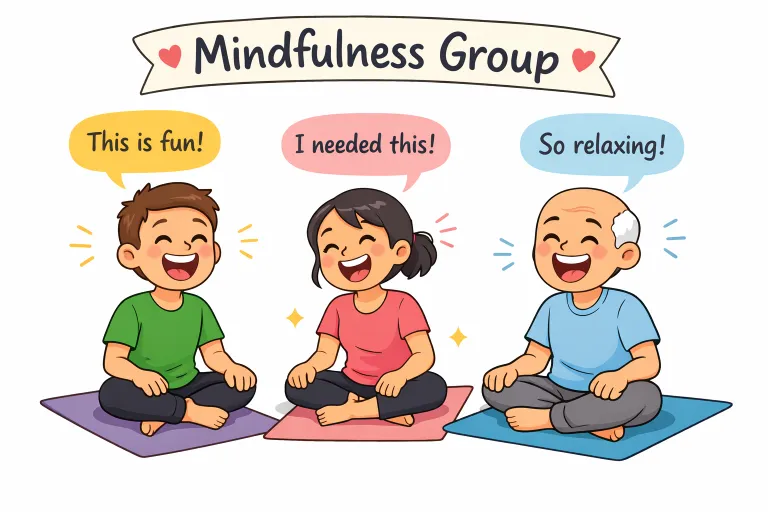
Mindfulness focuses on being present and nonjudgmental, yet this concept can sometimes feel too serious or difficult for newcomers. Integrating humor into mindfulness exercises helps break down barriers and makes relaxation more accessible. Participants in humor-enriched mindfulness programs report increased overall well-being, reduced stress symptoms, and improved mood. For example, lighthearted breathing exercises, laughter yoga, or guided comedic meditations can transform mindfulness into an enjoyable and sustainable part of one’s routine. A recent study in Frontiers in Psychology highlights these positive impacts, suggesting that humor is a meaningful addition to modern mindfulness practices.
Practical Ways to Incorporate Humor into Daily Life
-
Watch a comedy show or choose a funny movie for movie night.
-
Share jokes or lighthearted anecdotes with friends, family, or coworkers.
-
Participate in playful activities, such as board games that spark laughter or improv nights.
-
Try laughter yoga sessions or therapeutic laughter groups to experience collective joy.
Regularly engaging in these activities can transform your mood and, over time, help reframe challenges with a more positive, solutions-focused mindset.
The Therapeutic Value of Humor in Counseling Settings
Mental health professionals are increasingly acknowledging the constructive role humor can play in therapy. Therapeutic approaches, such as Acceptance and Commitment Therapy (ACT), Cognitive Behavioral Therapy (CBT), and group counseling, often incorporate humor to enhance engagement and insight. By introducing lightness and playfulness into sessions, therapists help clients build a healthier relationship with their thoughts and emotions. Moreover, laughter can serve as a buffer during difficult moments in therapy, helping clients process serious topics without becoming overwhelmed or detached.
In group therapy, spontaneous humor may arise when shared experiences are discussed, fostering solidarity and lessening stigma. This shared laughter can transform group dynamics, promoting openness and collective healing. While humor should always be used sensitively and respectfully, its proper application deepens therapeutic alliances and enables clients to see challenges from fresh, creative perspectives.
The Role of Humor Across Different Cultures
Humor is a universal language, but its expression varies across cultures. Some prioritize wit, sarcasm, or banter, while others enjoy storytelling and slapstick. Laughter bridges social gaps and fosters bonding. Recognizing these differences can improve mindfulness and make group activities more inclusive. Counselors who consider cultural factors can tailor humor-based activities for better engagement, ensuring comfort and representation. Exploring humor traditions worldwide can also offer new mindfulness practices. For instance, Japanese “smile therapy” focuses on collective smiling, and Nordic outdoor activities help reduce stress. These approaches show humor’s adaptability to our identities and settings.
Maintaining Healthy Boundaries with Humor
It is essential to remember that while humor has undeniable benefits, it is not a substitute for professional mental health support when dealing with significant emotional issues. Healthy humor is always inclusive, kind, and mindful of context. Avoiding humor that targets or alienates others ensures its practice remains psychologically safe and uplifting. Self-deprecating humor may build connection, but frequent negative humor should be monitored to prevent reinforcing damaging self-concepts. As always, the best outcomes are achieved when laughter is shared in an environment of trust, respect, and mindfulness.
Conclusion
Embracing humor and making laughter a daily habit can be instrumental in supporting mental health. Whether you use laughter for reducing stress, boosting emotional resilience, or enhancing mindfulness, the rewards are clear. Sensible humor and genuine laughter do not just serve as momentary escapes; they are sustainable, science-backed practices for long-term mental wellness.