
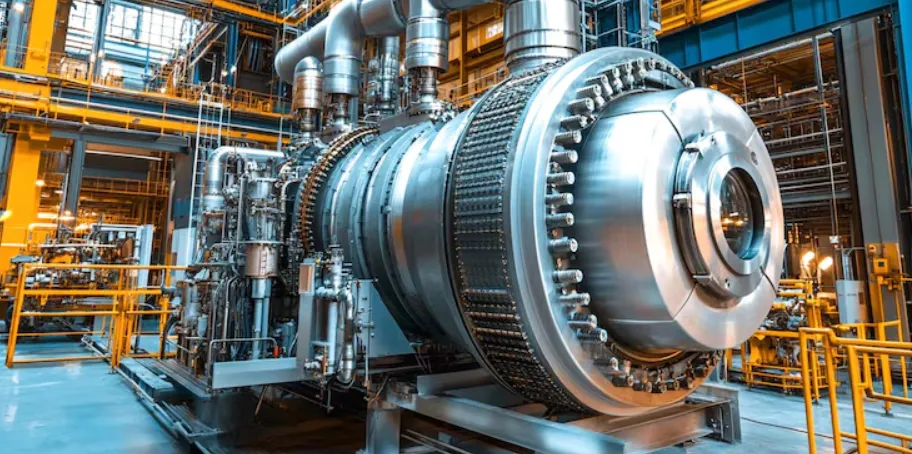
Gas turbines play an important role in producing reliable power for industrial plants, ships, and energy systems. Among these turbines, the LM2500 is widely known for its strong performance and efficiency. The system is made up of many carefully designed parts that work together under high temperature and pressure conditions. Each of these parts, known as LM2500 components, has a specific function that helps the turbine run smoothly, use fuel efficiently, and deliver stable power output. Understanding how these components work gives a clear idea of why this turbine is trusted in many demanding applications around the world.
Understanding LM2500 Components
The LM2500 gas turbine consists of several key mechanical and aerodynamic parts that form a complete energy conversion system. These LM2500 components include the compressor section, combustion system, turbine blades, and control systems. The compressor draws in air and increases its pressure, while the combustion chamber mixes fuel with compressed air for controlled burning. The turbine section then converts hot gas energy into mechanical power. Each component is precisely engineered to handle extreme operating conditions while maintaining balance and efficiency during continuous operation.
Role in Improving Fuel Efficiency
One of the main advantages of well-designed LM2500 components is improved fuel efficiency. The compressor plays a major role by ensuring that the correct amount of air is supplied for combustion. When air compression is efficient, fuel burns more completely, reducing waste and improving energy output. The combustion system also helps maintain stable and controlled burning, which prevents unnecessary fuel loss. Because of this coordination between different LM2500 components, the turbine can produce more energy while consuming less fuel, making it cost-effective and environmentally friendly.
Enhancing Performance and Power Output
Performance in a gas turbine depends on how effectively energy is transferred through each stage of operation. The turbine blades in the LM2500 are designed with advanced materials and aerodynamic shapes that allow them to extract maximum energy from hot gases. This improves overall power output without increasing fuel consumption. At the same time, the control systems ensure that all LM2500 components operate in harmony, adjusting speed and load based on demand. This balance helps maintain consistent performance even under changing operating conditions.
Durability and Operational Reliability
Gas turbines often operate in harsh environments where heat and pressure levels are extremely high. The durability of LM2500 components is therefore very important for long-term reliability. High-quality materials and precise engineering reduce wear and tear, allowing the turbine to run for long hours without failure. Regular maintenance and inspection of these components also help prevent unexpected breakdowns. Because of this reliability, the LM2500 system is widely used in industries where continuous power supply is critical.
Conclusion
The efficiency and performance of a gas turbine depend greatly on the quality and coordination of its internal parts. The LM2500 system demonstrates how well-designed engineering can deliver strong power output while maintaining fuel efficiency and reliability. Each of the LM2500 components plays a vital role in air compression, combustion, energy conversion, and system control. Together, they create a balanced and efficient turbine system that meets the demands of modern energy production with consistency and durability.