
Key Takeaways
- Small cracks can become major failures when water reaches the pavement base.
- Regular inspections make it easier to prioritize repairs before damage spreads.
- Drainage, cleaning, crack repair, and careful snow removal all help extend pavement life.
- The right repair depends on the cause and depth of the damage, not just its appearance.
- Clear markings, smooth walking routes, and reliable drainage improve safety for everyone using the property.
Table of Contents
- Why Asphalt Maintenance Matters
- Start With a Simple Pavement Inspection
- Common Asphalt Problems to Watch For
- Control Water Before It Causes Damage
- Seasonal Asphalt Care
- Choosing the Right Repair Option
- Improve Safety and Access
- Build a Practical Maintenance Plan
- When to Call a Pavement Professional
- Final Thoughts
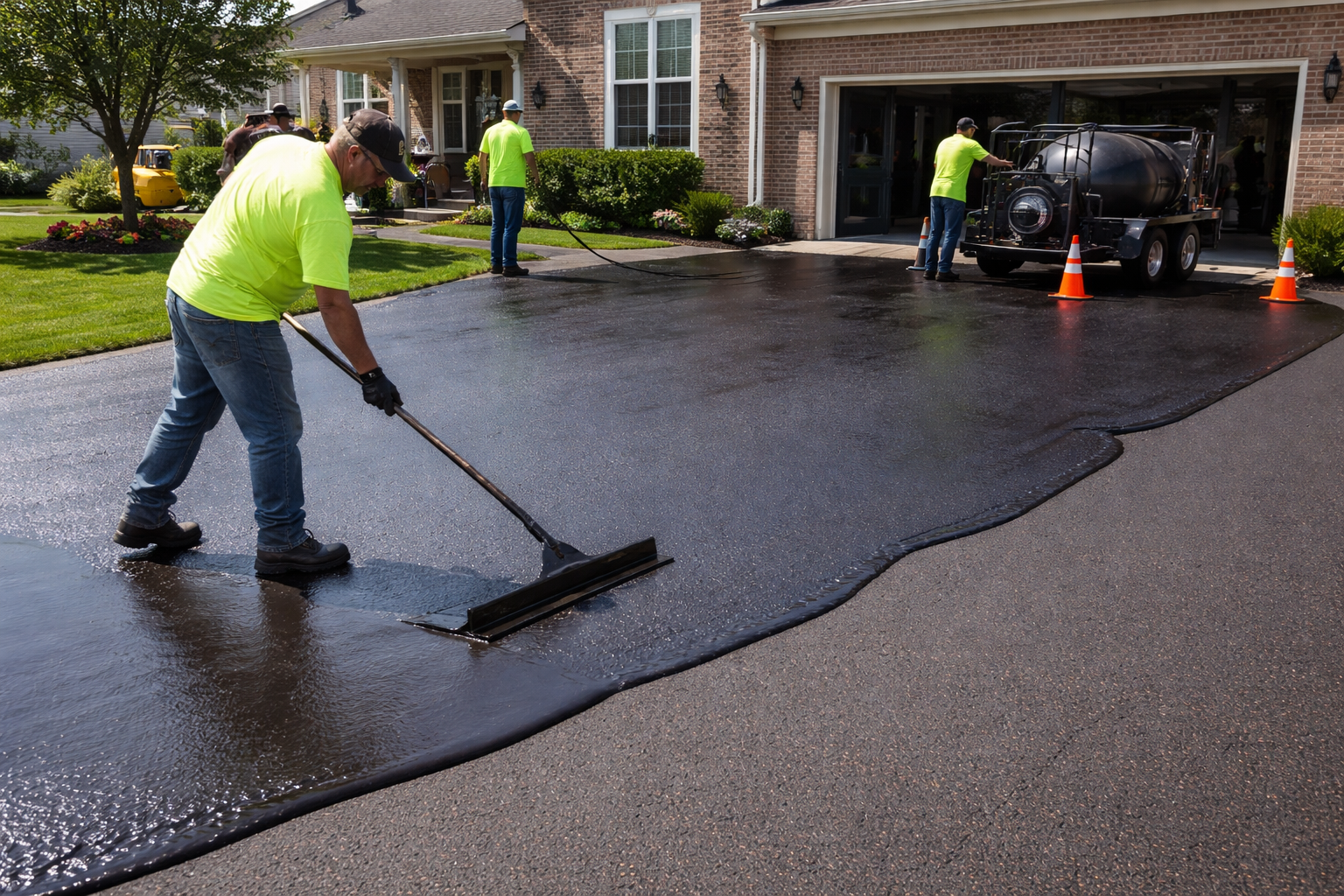
Driveways, parking lots, and private access roads face constant stress from weather, vehicle traffic, water, and time. A practical maintenance routine helps property owners spot small concerns before they become potholes, trip hazards, or expensive structural repairs. For owners looking into services such as asphalt sealer South Bend, IN, it helps to understand the condition of the pavement before choosing a treatment. Good asphalt care is not about making every surface look brand new. It is about protecting the pavement structure, keeping water moving away from vulnerable areas, and making the property safer for drivers and pedestrians.
Why Asphalt Maintenance Matters
Asphalt slowly oxidizes, flexes under traffic, and wears down from sun, moisture, and seasonal temperature changes. When cracks remain open, rain and melting snow can enter the pavement and weaken the supporting layers below. A narrow crack may only need routine sealing today, but repeated freeze-thaw cycles can turn it into a deeper break or pothole. Vehicle weight, poor drainage, tree roots, and unsupported pavement edges can accelerate deterioration.
Start With a Simple Pavement Inspection
Walk the entire paved area during daylight at least twice a year, ideally in spring and fall. Bring a phone or camera, note the location of visible damage, and take dated photos. Comparing photos over time helps distinguish stable cosmetic wear from worsening problems.
Inspection Checklist
- Look for cracks, loose edges, crumbling sections, and exposed aggregate.
- Check for potholes, low spots, raised pavement, or tire ruts.
- Watch for standing water after rainfall.
- Inspect downspouts, drains, curbs, and landscape borders.
- Check whether parking lines, arrows, and accessible markings remain visible.
- Record oil, fuel, or chemical spills that may soften the surface.
Common Asphalt Problems to Watch For
Surface Cracks
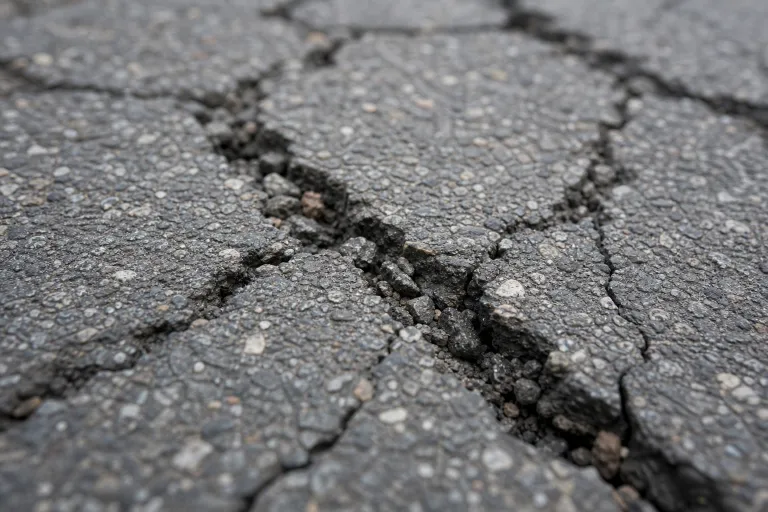
Hairline cracks may result from aging, while wider cracks can indicate movement beneath the surface. Block cracking often appears in older pavement, and interconnected alligator cracking can signal a weakened base that needs more than surface treatment.
Potholes, Rutting, and Depressions
Potholes commonly begin when water enters damaged asphalt and loosens material beneath it. Rutting and sunken areas may develop where traffic repeatedly follows the same path or where the base lacks adequate support. Temporary patches can help in limited situations, but recurring failures deserve a closer review.
Edge Damage
Asphalt edges break more easily when vehicles drive too close to the boundary. Water, grass growth, loose gravel, and soft soil can worsen this issue. Keeping edges clean and supported reduces the chance of crumbling.
Control Water Before It Causes Damage
Water management is one of the most important parts of pavement maintenance. Clear leaves and sediment from drains, keep downspouts from emptying directly onto asphalt, and avoid allowing soil or mulch to cover pavement edges. After heavy rain, identify areas where water collects or flows toward buildings, entrances, and pedestrian routes. For sites with recurring runoff concerns, options such as rain gardens, permeable surfaces, and other stormwater features may be worth evaluating. The U.S. Environmental Protection Agency’s green infrastructure guidance explains how well-maintained systems can help manage runoff from paved areas.
Seasonal Asphalt Care
Spring and Summer
- Inspect for winter cracks, potholes, salt residue, and damaged edges.
- Clear drainage paths and mark areas needing repair.
- Watch for soft spots during extended heat.
- Schedule sealing or repair work only when weather and surface conditions are appropriate.
Fall and Winter
- Remove leaves before they block gutters, drains, and channels.
- Repair open cracks before winter moisture reaches the base.
- Refresh faded parking lines, directional arrows, and safety markings.
- Use snowplow settings that reduce scraping, and do not pile snow over drainage points.
Choosing the Right Repair Option
The visible surface is not always the true source of failure. Before selecting a repair, consider pavement age, traffic loads, drainage, damage depth, and the condition of the base.
- Crack filling: Appropriate for certain narrow, stable cracks.
- Surface patching: Useful for isolated damage where the base remains sound.
- Full-depth repair: Often needed for deep potholes, severe alligator cracking, or failed base material.
- Overlay: Can work for broad surface wear when the foundation is stable.
- Replacement: May be the sensible option when structural damage is widespread.
Improve Safety and Access
A maintained paved area should also support safe movement. Keep walkways smooth, remove trip hazards, improve lighting near entrances and crossings, and use visible striping to guide drivers. Commercial properties should regularly review fire lanes, loading areas, accessible parking spaces, and pedestrian routes. Standing water should be addressed quickly because it can create slippery conditions or freeze in cold weather.
Build a Practical Maintenance Plan
A simple schedule keeps maintenance manageable:
- Monthly: Remove debris, inspect drains and edges, document new cracks, and clean spills.
- Seasonally: Complete spring and fall inspections, review snow removal methods, and check signs and markings.
- Annually: Review photos and repair records, set priorities by urgency, and plan larger work during suitable weather.
When to Call a Pavement Professional
Request a professional assessment when cracks are spreading, potholes return after patching, water remains after normal rainfall, or pavement shifts under vehicle loads. Also seek help when drainage changes could affect nearby buildings, public areas, or access routes. Ask for a written explanation of the damage caused, recommended repair, preparation requirements, traffic restrictions, expected service life, and future maintenance needs.
Final Thoughts
Effective asphalt maintenance does not require constant attention, but it does require consistency. Regular inspections, clean drainage, timely crack repair, thoughtful snow removal, and clearly visible safety markings can prevent many avoidable problems before they become major repairs. By matching maintenance and repairs to the actual cause of damage, such as water infiltration, heavy traffic, freeze-thaw cycles, or poor drainage, property owners can make more informed decisions for safer, longer-lasting pavement in 2026. Routine care also helps preserve pavement appearance, improve traction, and reduce hazards for drivers and pedestrians. A proactive maintenance schedule can extend pavement service life, reduce long-term repair costs, and help keep driveways, parking lots, and access roads in reliable condition throughout all seasons.