
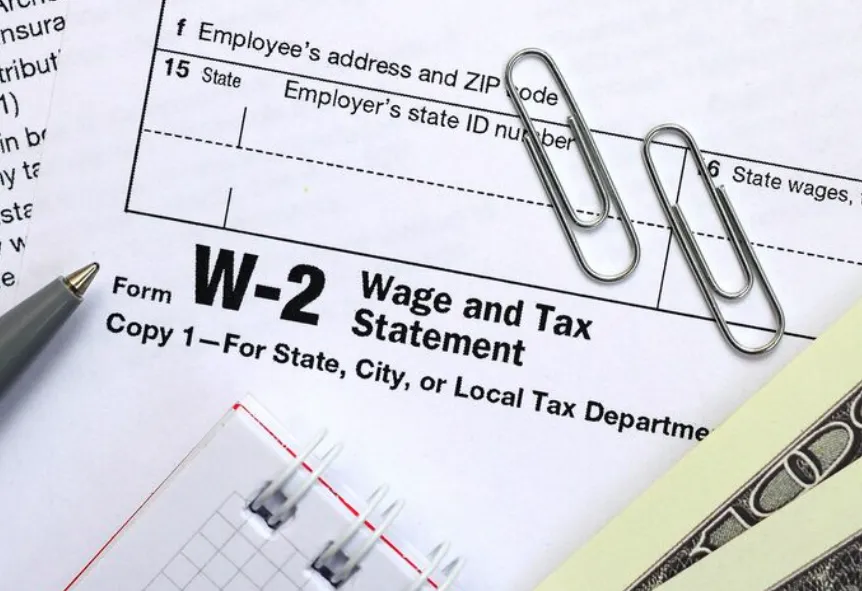
Finding real help with taxes shouldn’t feel like a scavenger hunt. Folks in and around Harrisburg know this struggle well, especially when tax season creeps up faster than expected. A CPA Harrisburg can actually address matters because timing and trust go hand in hand here. Numbers don’t lie, but they do get messy without someone who knows the local rules, the local deadlines, and the local quirks that come with filing in this corner of South Dakota. Getting it right the first time saves headaches later, plain and simple.
What Local Access Really Means
Availability isn’t just about office hours. It’s about picking up the phone and someone actually answering, or getting a callback the same day instead of three weeks later. Residents want a professional who understands their street, their school district, their small business down the road. That kind of closeness changes how questions get handled. A nearby accountant reads local tax quirks faster than someone working from a call center states away, and that speed matters when deadlines loom close.
Why Timing Shapes Everything
Tax deadlines don’t bend for anyone. Waiting until the last week to gather documents creates unnecessary panic, and panic leads to mistakes. Working with someone local means appointments fit into a Tuesday afternoon instead of a two-week wait. Tax preparation Lincoln County families rely on scheduling that respects their actual lives, not some corporate calendar built for volume. Early planning, even just a phone call in October, sets the whole season on steadier footing than scrambling in April ever could.
Understanding County-Specific Filing Rules
Every county carries its own small print. Property assessments, local business codes, even certain deduction eligibility can shift depending on where a return gets filed. Lincoln County has patterns that differ slightly from neighboring areas, things a generic tax software simply won’t catch. A professional who works these streets regularly spots those differences without extra digging. That local knowledge often means the difference between a decent return and one that actually reflects everything a resident qualifies for.
Building Trust Over Multiple Seasons
Trust doesn’t happen in one meeting. It builds slowly, season after season, as a preparer learns a family’s situation, watches a small business grow, or notices when something changed from last year’s filing. Repeat clients often get faster service simply because the groundwork already exists. Nobody wants to explain their entire financial history from scratch every single year. That continuity, quietly, becomes one of the biggest reasons people stick with the same accountant for a decade or longer.
Handling Small Business Complications
Small business owners juggle enough without tax confusion piled on top. Payroll questions, quarterly estimates, equipment deductions- these pieces add up fast and get tangled easily. A preparer familiar with the area understands common business types nearby, from farm operations to small retail shops. That familiarity speeds up conversations and cuts down on back-and-forth emails. Owners get answers rooted in real experience instead of generic checklists pulled from a manual that ignores their actual industry.
Planning For Next Season
Waiting until January to think about taxes leaves money on the table more often than people realize. Mid-year check-ins catch issues before they snowball, whether that’s an unexpected income jump or a new dependent. Smart planning spreads the workload across months instead of cramming everything into six frantic weeks. Residents who start conversations early tend to walk away with fewer surprises and stronger outcomes, because adjustments made in July are far easier than fixes attempted in March.
Choosing Between DIY And Professional Help
Software promises simplicity, but it rarely catches everything a real return needs. Complex situations, rental income, multiple dependents, side gigs- these trip up automated systems more than people expect. A trained eye spots deductions software glosses over entirely. Sure, filing alone saves a fee upfront. But mistakes cost more later, sometimes through audits or missed refunds. Weighing convenience against accuracy matters here, and for many households, professional guidance simply pays for itself within the first year.
Communication That Actually Works
Nobody wants to send an email and wait a week for silence. Good service means questions get answered without chasing someone down repeatedly. Text updates, quick calls, even a simple email thread that moves along steadily- these small things add up to peace of mind. Residents juggling work and family don’t have time for guessing games about their own return status. Clear, consistent communication removes that stress and keeps everyone on the same page throughout the entire filing process.
Preparing Documents Without The Stress
Gathering paperwork feels overwhelming when nobody explains what’s actually needed. A good checklist, tailored to the person’s situation rather than a generic template, cuts confusion fast. W2s, 1099s, receipts, mortgage statements- the list varies wildly between a retiree and a small business owner. Preparers who ask specific questions upfront save clients from digging through drawers twice. That kind of guided approach turns a dreaded task into something manageable, sometimes even finished in a single sitting.
Conclusion
Getting taxes done right takes more than a calculator and good intentions. It takes someone nearby who actually knows the area, answers calls, and treats each return like it matters, because it does. Whether the need is personal filing or ongoing small business support, local expertise consistently beats generic, distant service. For residents searching for steady, dependable guidance close to home, edgcpa.com offers exactly that kind of grounded, community-focused approach worth considering this season.