
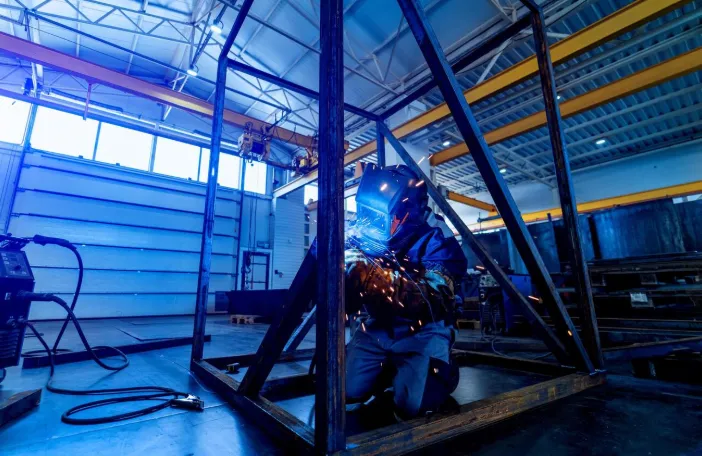
Welding is a skilled trade that requires both technical knowledge and hands-on experience. While classroom lessons help students understand welding principles, practical training allows them to develop confidence and accuracy. A well-equipped training environment plays an important role in preparing students for real-world welding careers. Quality welding booths create a safe, organized, and professional workspace where students can practice different techniques while learning industry standards.
Creating a Safe Learning Environment for Students
Safety is one of the most important aspects of welding education. Welding involves high temperatures, sparks, fumes, and heavy equipment, making proper protection essential. Quality welding booths help create a controlled environment where students can practice safely under the guidance of instructors.
Modern welding booths are designed with safety features such as proper ventilation systems, protective barriers, and durable materials that can handle welding activities. These features reduce exposure to harmful fumes and protect students from sparks and heat. By training in a safe environment, students can focus more on improving their skills and understanding welding techniques.
Improving Hands-On Welding Skills
Practical experience is necessary for students to become successful welders. Welding trade schools need workspaces that allow learners to practice different welding methods, including arc welding, MIG welding, and TIG welding. Well-designed welding booths provide students with dedicated areas where they can work on projects without interruptions.
Using welding booths for schools helps students gain valuable experience with professional-style setups. These booths allow learners to become familiar with the same type of organized workspaces they may encounter in industrial workplaces. As students spend more time practicing, they can improve their precision, control, and overall welding abilities.
Supporting Professional Training Standards
Welding industries expect workers to have strong technical skills and knowledge of workplace safety. Trade schools must provide training environments that meet professional expectations. Quality welding booths help instructors create realistic training conditions that prepare students for future employment.
A properly equipped welding area also allows instructors to monitor student progress more effectively. Teachers can observe techniques, provide feedback, and help students correct mistakes. This direct guidance improves learning outcomes and helps students develop better welding habits from the beginning.
Increasing Efficiency in Welding Programs
An organized training facility allows schools to manage practical lessons more efficiently. When students have access to individual welding booths, multiple learners can practice at the same time without disturbing each other. This improves classroom organization and allows instructors to provide better attention to each student.
Durable welding booths also reduce maintenance needs because they are built to withstand frequent use. Investing in reliable equipment helps schools maintain a consistent learning environment for many years. This makes welding programs more effective and beneficial for both students and instructors.
Preparing Students for Career Success
A welding education program should prepare students for the challenges of professional work. Training with high-quality equipment helps students build confidence and develop skills that employers value. When students practice in realistic conditions, they become more comfortable handling welding tools, following safety procedures, and completing projects with accuracy.
Quality welding booths also encourage students to take their training seriously. A professional workspace creates a mindset similar to an actual workplace, helping learners understand the importance of responsibility, discipline, and attention to detail.
Conclusion
Quality welding booths play an essential role in improving practical training programs in welding trade schools. They provide a safe, organized, and professional environment where students can develop important welding skills. By using reliable equipment such as welding booths for schools, educational institutions can offer better training experiences and prepare students for successful careers in the welding industry. A strong practical foundation helps future welders become more confident, skilled, and ready for workplace challenges.